

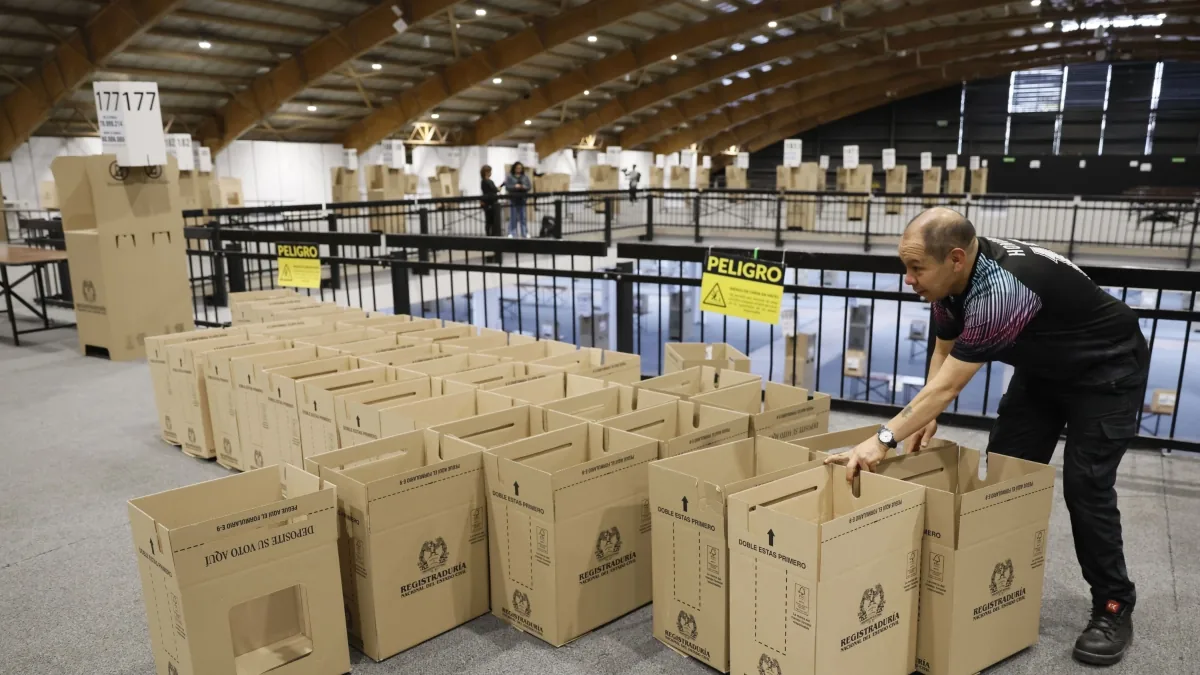
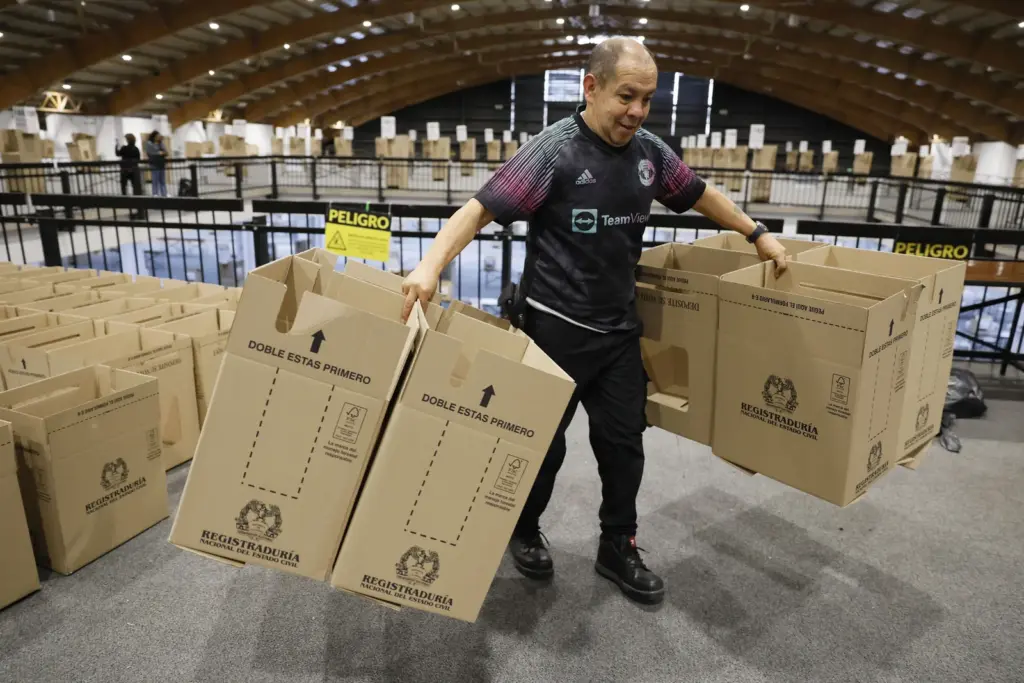
Designing and printing the electoral ballots, ensuring their custody, national and international transport, and coordinating everything related to telecommunications are part of the logistical framework that the Registry must implement as soon as possible to meet the constitutional deadlines for the second round of the presidential elections, which will take place in less than three weeks and in which Abelardo de la Espriella and Iván Cepeda, the two candidates with the most votes on Sunday in the first round, will compete.
The electoral authority received from the Ministry of Finance the certificate of budget availability for nearly one trillion pesos, a requirement that will allow it to make the necessary budget additions to activate the logistical components of the second round provided for in the comprehensive logistical solution contract awarded in mid-2025.
That contract already contemplated a possible runoff, but the Government could not disburse those funds in advance until the results of the first round are formally declared and the holding of a second round is confirmed.
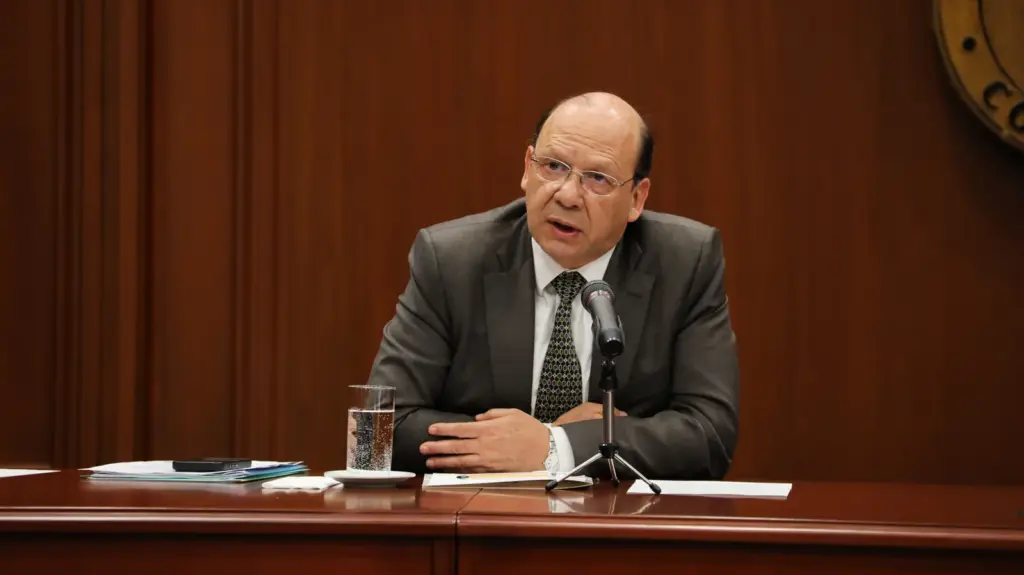
The national registrar, Hernán Penagos, highlighted that once 100 percent of the scrutiny by the judges of the Republic throughout the country is completed, as well as the consolidation of results abroad — where claims did not exceed 0.7 percent of the total installed polling stations — it is possible to advance in the planning and organization of the second round on June 21.
“I want to thank the judges of the Republic and the judicial officials who have worked so hard to carry out this scrutiny and have allowed us to quickly advance in preparing for the second round elections,” said registrar Penagos, who added that the idea is to strengthen the training of the voting jurors before June 21.
The National Registry formally requested funds from the ministry led by Germán Ávila, from where they had previously informed this newspaper that they were awaiting such a request to proceed with the disbursement. In other words, the ball was in the hands of President Gustavo Petro’s government, which by constitutional mandate is obliged to transfer these resources immediately to guarantee the normality of elections that must be organized in less than three weeks.
“Next week, the entire movement of sending electoral paperwork abroad must begin, because one week earlier (June 15) we start elections abroad. We are very short on time and there can be no delays from the Ministry of Finance or anyone else; this has to work like clockwork. We have maintained conversations with all authorities and so far we have no news that a decision has been made not to deliver the resources to the Registry; we are on the normal schedule,” explained Alejandra Barrios, director of the Electoral Observation Mission (MOE), minutes before the Registry received the certificate of budget availability.
The Attorney General’s Office paid special attention to this equation, with direct communication between Minister Germán Ávila and Attorney Gregorio Eljach to ensure that no type of setback occurred.
The first institutional meeting to monitor the electoral process is scheduled for this Thursday, in which information about it will be provided to oversight bodies, political organizations, and control entities that wish to attend. It is expected that the national registrar will present his report and socialize the ballot proposal for the definitive day. Likewise, a new Electoral Monitoring Commission is scheduled for next week, in which authorities will report progress and updates related to the organization of the elections.
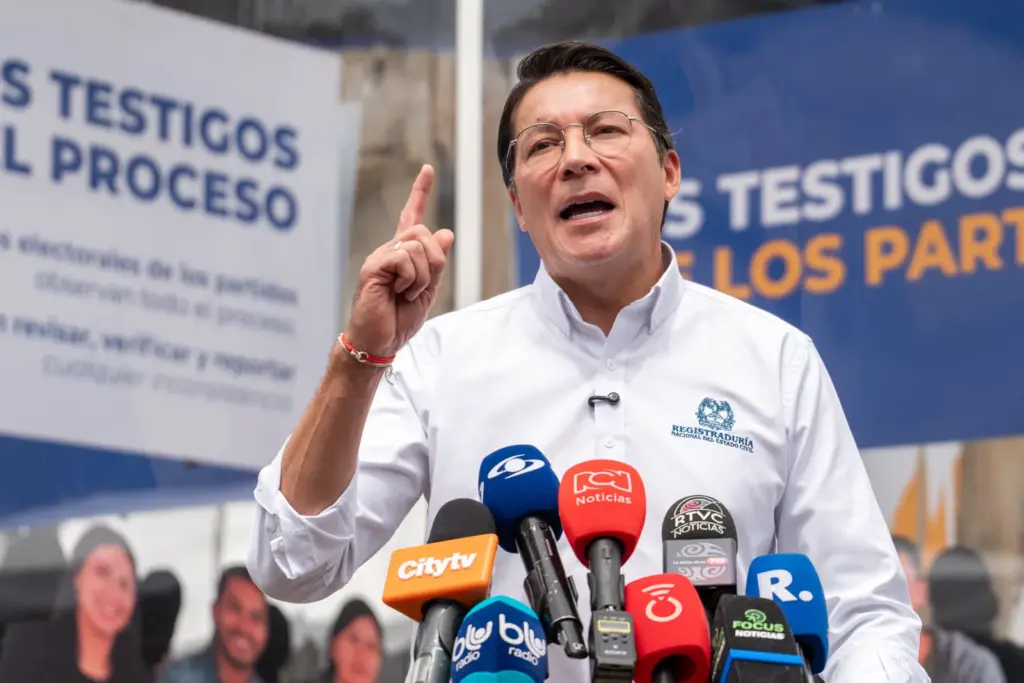
Although the deadline to organize the second round is short, the Registry is not starting from scratch. Since the planning of the presidential elections, the possibility of a runoff has been considered, so much of the logistics is already defined. The main difference is the electoral ballot, which must be redesigned and printed with the names of the two candidates who advanced to the final round (Abelardo de la Espriella and Iván Cepeda).
However, the electoral organization has only 11 calendar days to distribute that electoral material in 67 countries, where the potential voters amount to 1.4 million citizens, 46.5 percent more than in the 2022 presidential elections.
Political Editorial