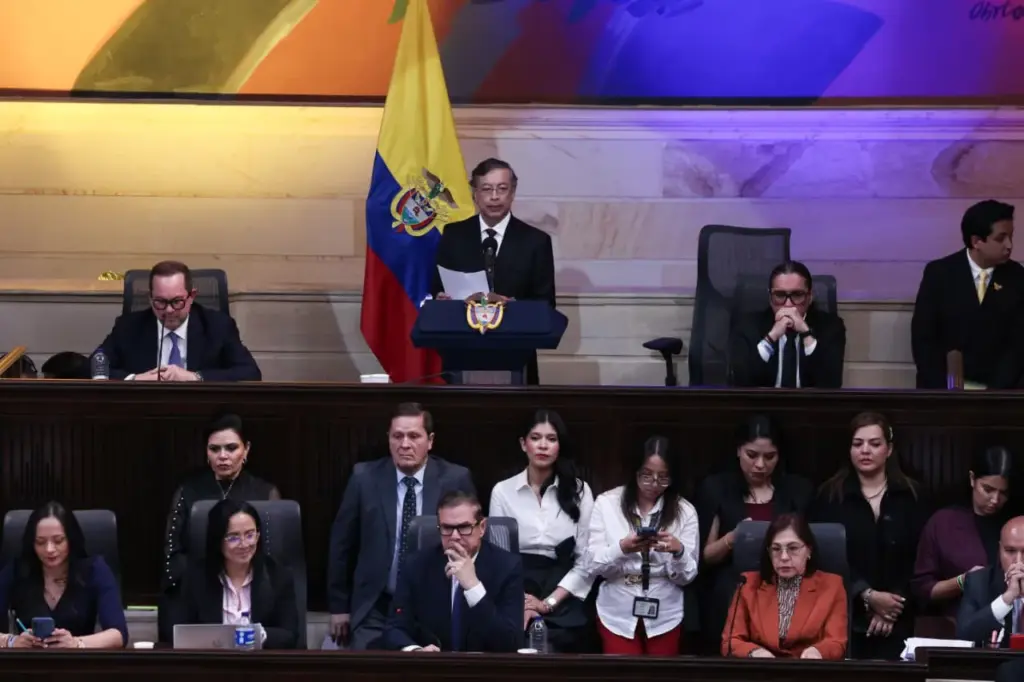
One of the few pieces of information that President Gustavo Petro gave in his inauguration speech to Congress, last July 20, which was not questioned by experts or the opposition, is that in Medellín (and also in Bogotá) a transnational crime organization that traffics cocaine and is made up of high-level capos from at least 38 nationalities is entrenched.
A week earlier, Medellín’s mayor, Federico Gutiérrez himself, had already exposed the phenomenon affecting the ‘paisa’ capital: “They take cocaine directly from Medellín to Alta Guajira and from there they transport it to Central America, Panama, and the United States.”
Alliance with agencies
And his diagnosis was completed by the president-elect, Abelardo De La Espriella, who assured that Medellín is “the head of the snake of drug trafficking and organized crime.”
In fact, the outgoing president, Gustavo Petro, admitted for the first time that the so-called ‘drug trafficking board of directors’ is no longer in Dubai, as he had insisted.
Therefore, it is no coincidence that De La Espriella has announced that Medellín will be the headquarters of the agency of the so-called Shield of the Americas, the ‘club’ of countries with right-leaning governments that have already begun to coordinate transnational operations with the Trump administration.
“The immediate effect will be to intensify collaboration with intelligence agencies that were on the verge of being expelled. Even, to coordinate joint operations with other countries from Colombia, due to its geostrategic location,” said an informed source.
And there are sufficient reasons for Medellín to be the epicenter. EL TIEMPO learned excerpts from an intelligence report in which, as the city’s Security Secretary, Manuel Villa, stated, they have found traces of 29 capos of an equal number of nationalities who are seeking everything from new drug trafficking routes, to protection from local structures, and even initial shipments of fentanyl.
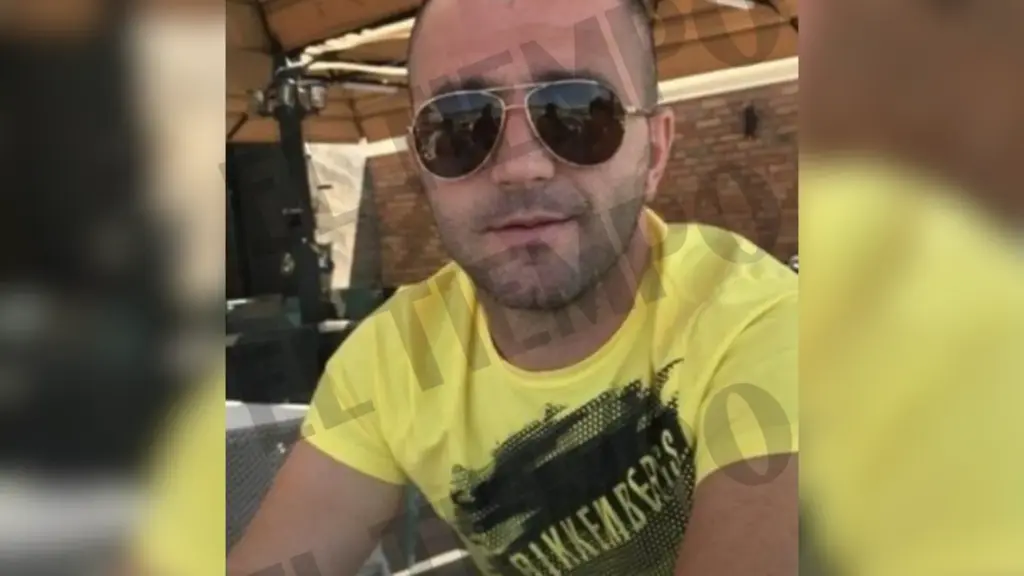
One of the freshest pieces of information about the presence of these capos is the case of Artur Tushi, an Albanian who carried an Ecuadorian passport and operated criminal networks from Lleras Park, a party spot that the ‘paisa’ elite has stopped frequenting.
Tushi was gunned down by a hitman in October 2025, at the entrance of the Santa Fe shopping center, located in El Poblado. The drug trafficker, born in Lexhë, Albania, received 11 shots, and at that time, US federal agencies—including the FBI and DEA—were already tracking him for his links to human trafficking and drug trafficking networks.
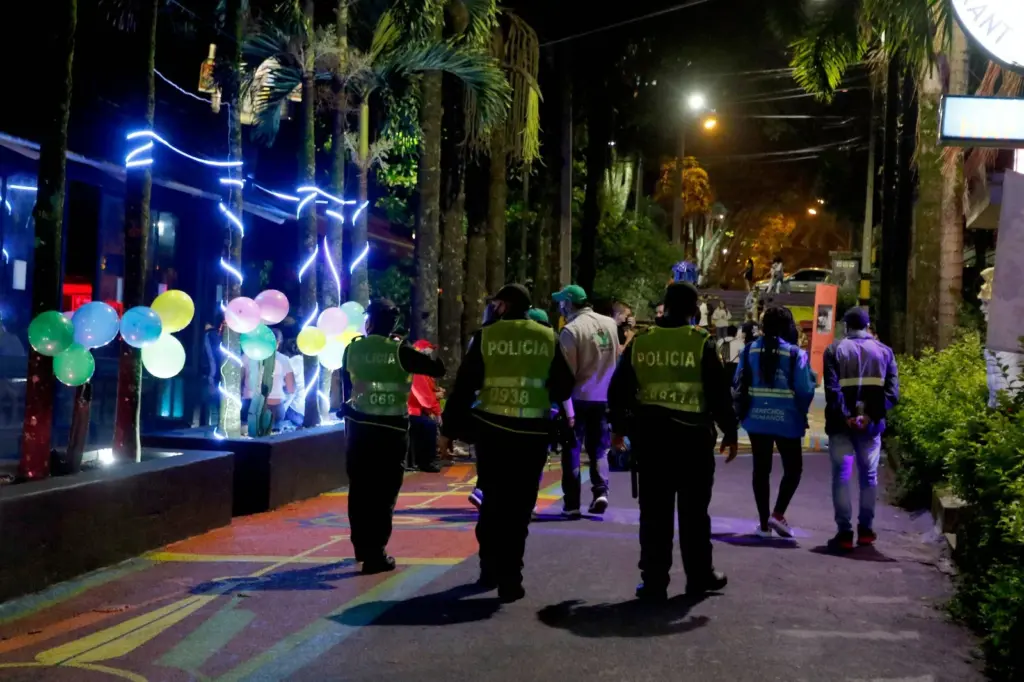
Security Secretary Villa has admitted in various settings that they are facing a problem that has escalated to another level, with a dangerous cocktail of local structures and international mafias that has led them to seek support from federal agencies to combat it.
“It’s not just about local structures. There are international mafias operating in Lleras Park,” Villa said at the time, and it was later learned that several members of that network were captured in Cali and Pereira as they were preparing to send several ‘paisa’ women to Albania and other Balkan countries such as Serbia, Croatia, Kosovo, and Malta.
Portfolio of services
According to the same report, in Medellín there are a handful of links from local mafias that offer international capos portfolios of illegal services paid with weapons, money, and cryptocurrencies.
“Several of these links are members of structures that were at dialogue tables with the Petro government,” an intelligence officer points out.
In addition to cocaine, they are offered a package with false identities and protection in Colombia with escorts and armored cars.
In February of this year, EL TIEMPO revealed that the Panamanian capo Jean Carlo Valderrama, alias Balín, was hiding in a mansion in El Poblado and moved around in high-end SUVs and sports cars, escorted by a robust security detail, made up of 8 armed men. Among them, two were from Urabá Antioqueño.
That same narco-service is also being offered to dissident leaders like alias Chalá, the same one who ordered the killing of young journalist Mateo Pérez.
Dutchman and quinoa
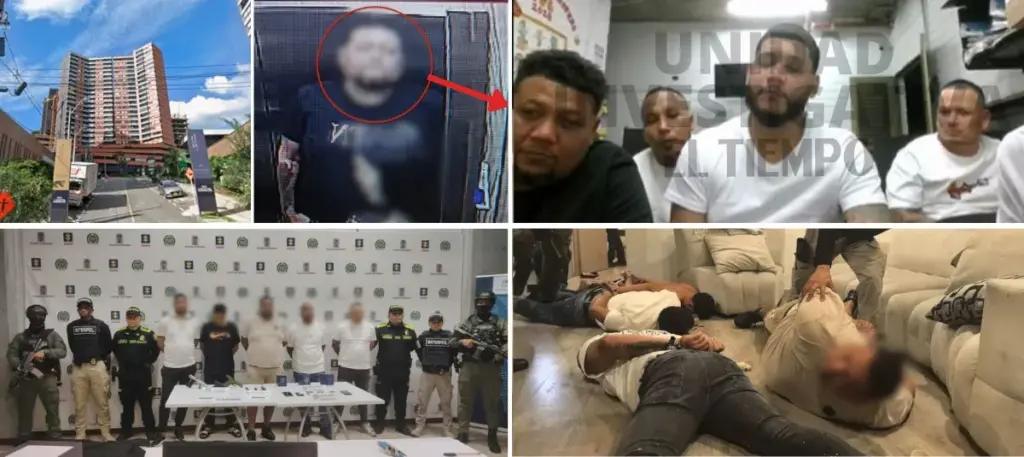
Another recent case, from last June 18, is that of Soner Nusret Aka, born in the Netherlands, but known by the alias ‘El Francés’ (The Frenchman).
He is accused of leading a network that sends cocaine from Colombia and Mexico to Europe, hidden in quinoa shipments.
According to the investigation, alias El Francés has links with mafias in Asia, specifically in Thailand; and in Europe, in France.
Federal agencies are after his contact in Bangkok. And it was established that ‘El Francés’ came to Colombia to hide from international authorities due to the seizure of a shipment of almost two tons of cocaine that fell in the Dominican Republic.
In Medellín, he posed as a prosperous natural food entrepreneur and, following a pattern of other arrests, he was caught in Lleras Park.
The Italian and ‘the Goats’
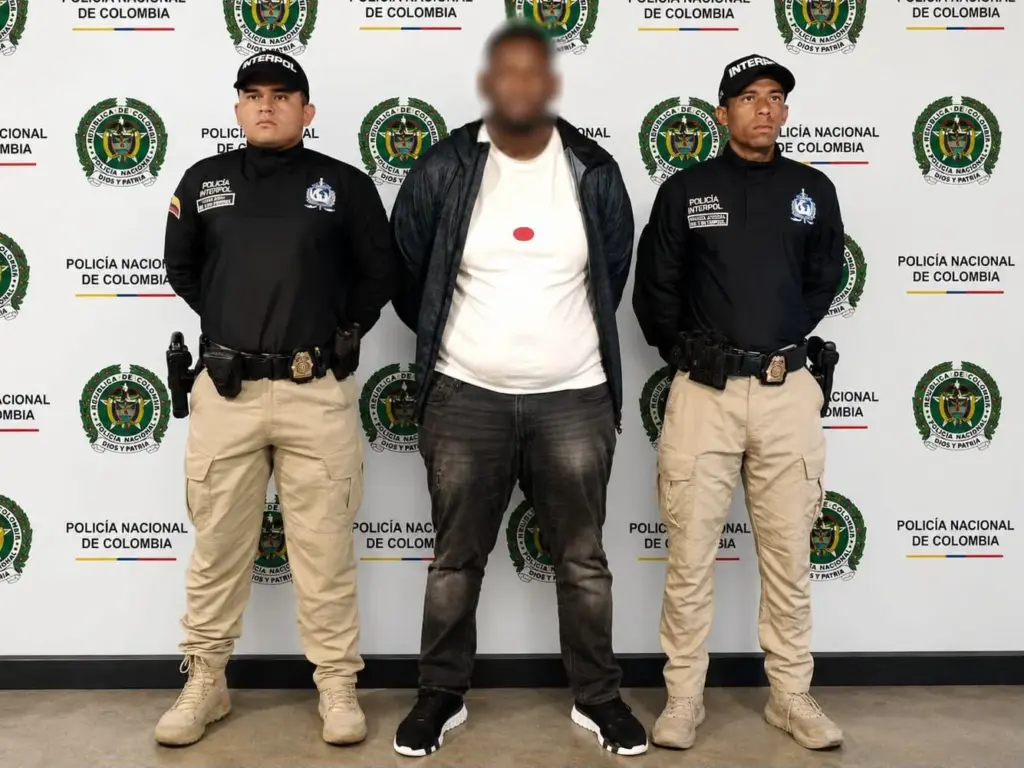
Another emblematic capture was that of Roberto Nastasi, last January.
He is an Italian resident in Guayaquil, Ecuador, who traveled constantly to Medellín for his role as an articulator of a major drug trafficking operation.
He had an arrest warrant in Italy and is accused of being a member of the ’Ndrangheta, one of the most dangerous mafias in the world. In Ecuador, he posed as an automotive sector businessman, but in Colombia, he was directly linked as a partner of the ‘Gulf Clan,’ another host for foreign drug traffickers.
Mayor Gutiérrez uncovered one of the alliances between foreign capos and local structures: the family clan known as ‘los Chivos’ (the Goats).
This mafia structure is accused of controlling drug trafficking routes from the Antioquian capital to Alta Guajira.
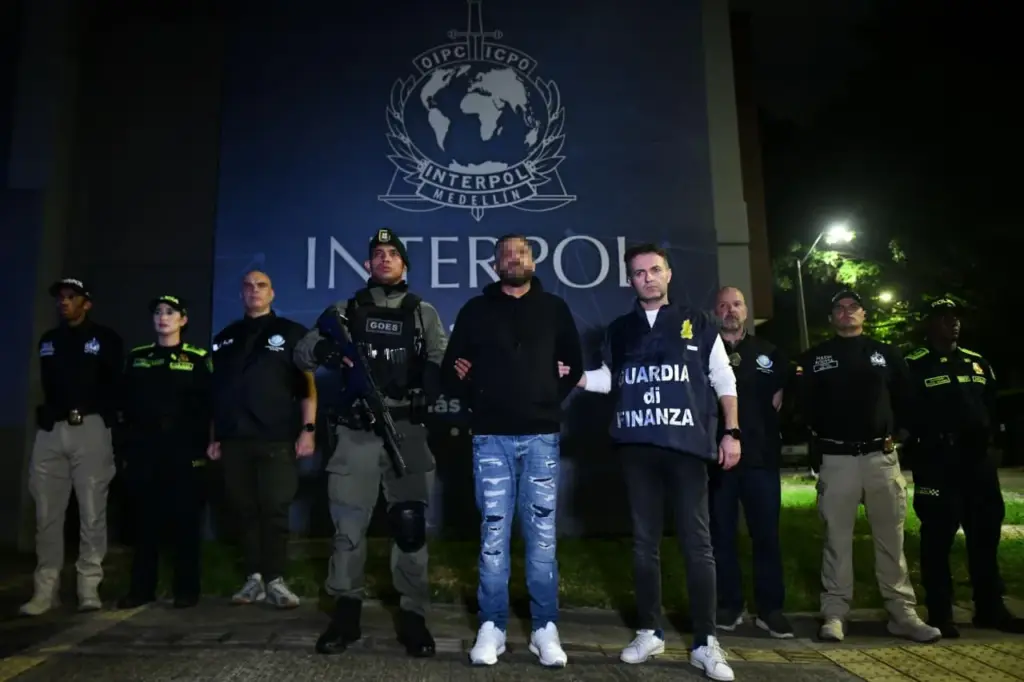
And in the intelligence report, several of its members were identified.
“Historically, its maximum leader is Hugo Armando Suaza Ramírez, ‘Hugo Chivo,’ father of that entire family nucleus and the historical reference of that organization; he is the father of ‘Chatán’ and alias Menor. We are talking about Sebastián Suárez Ochoa, alias Chatán, who was captured during our administration, who was one of the crime facilitators and instigator of several homicides. Juan Camilo Suaza Ochoa, alias Pichi or ‘Jean Paul,’ is his brother and a leader within that criminal structure,” stated Mayor Gutiérrez.
The gym capo
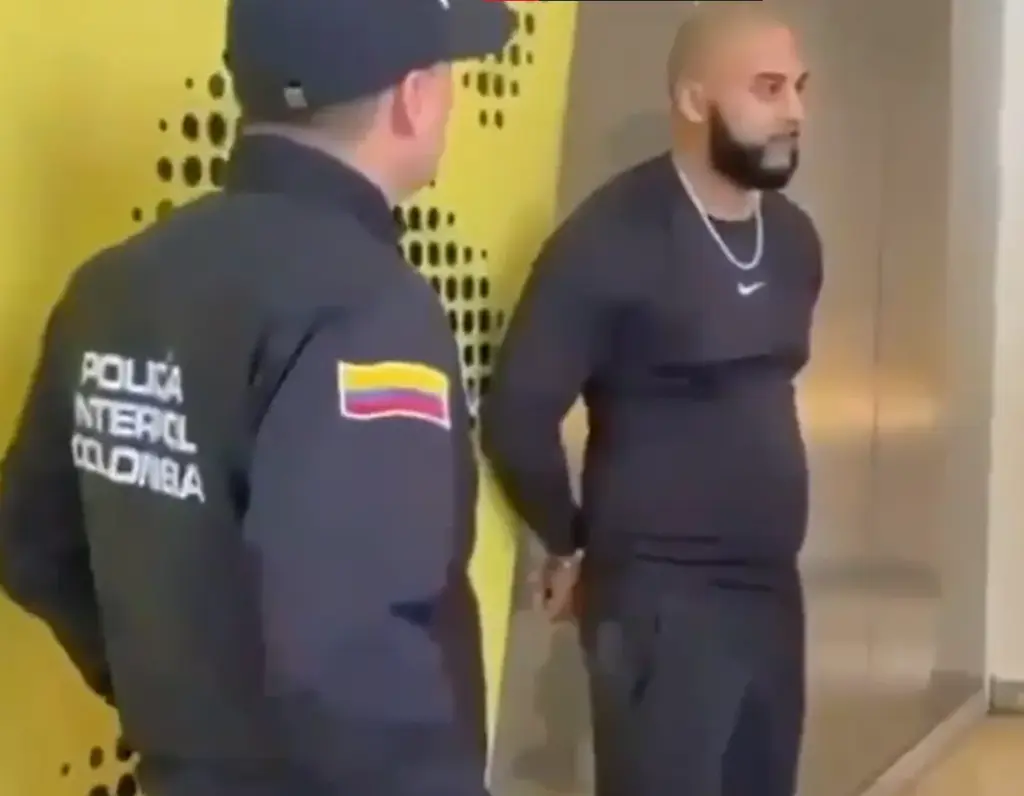
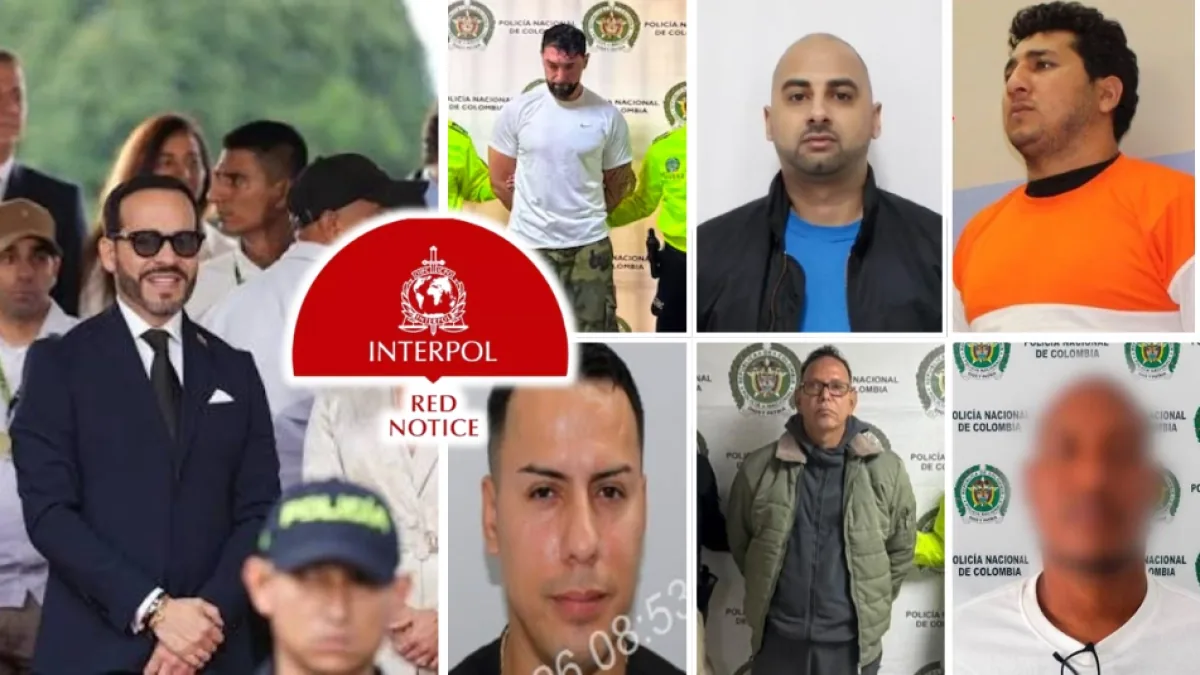
The Canadian Arif Jhuman also appears in intelligence records, who, as EL TIEMPO revealed, was captured two weeks ago in a gym at El Tesoro shopping center in Medellín.
The Florida District Court opened an investigation against Jhuman in December 2025 for conspiracy to traffic firearms.
According to authorities’ reports, he is associated with a mega drug trafficking operation involving not only cocaine but also fentanyl.
And there are other significant figures who have come to seal deals in Colombia and have ended up detained in Medellín.
One of the cases is that of Ismael Abdiel González Pomares, from Panama, linked to drug trafficking through national ports and arrested by the Police in the Laureles neighborhood. Also, José Rodríguez Cova, from the Netherlands, captured at the North Terminal of the ‘paisa’ capital and linked to international mafias. Another notable one is Óscar David Román, alias Kokín, from Costa Rica, linked to the drug trafficking organization ‘los Saggy’.
Connection with Bogotá
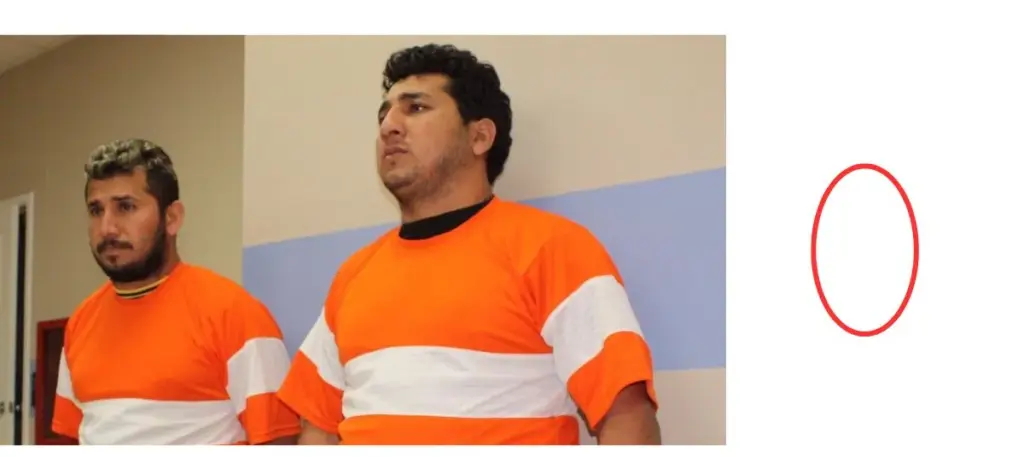
And although the focus has been on arrests in Medellín, several capos have been detained in Bogotá with connections to structures operating in the ‘paisa’ capital or with links to capos who visit that city.
Among these is that of the Ecuadorian alias Javi, brother of the powerful criminal leader alias Fito. ‘Javi’ resided in a short-term rental apartment located near the US Embassy in the capital.
(Consult all articles from EL TIEMPO’s Investigative Unit here)
Also mentioned is Roberto Rafael Daantje, from Curaçao, captured last June 20. The individual belonged to a transnational organization that illicitly connected South America with Europe and Asia, covering operations in Colombia, Suriname, Spain, and Russia.
In fact, according to investigators, he had contacts with capos in Antioquia to negotiate cocaine.
All have been linked to organizations such as the ‘Gulf Clan’ and ‘la Terraza’ in Medellín.
It is not ruled out that with the Shield of the Americas agency in that city, elite groups will be created to begin the hunt for transnational mafia.
INVESTIGATIVE UNIT
u.investigativa@eltiempo.com
@UinvestigativaET
Follow us now on Facebook